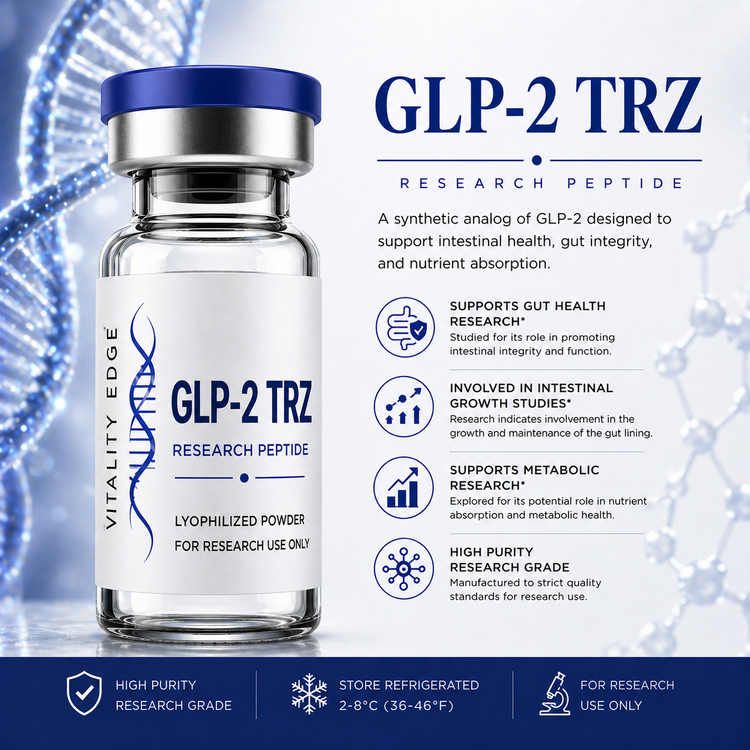
GLP T was originally developed to treat Type-2 diabetes but has since become a leading anti-obesity medication. It is a dual agonist of the GLP-1 and GIP receptors — meaning it activates two distinct hormonal pathways to reduce appetite, improve metabolic rate, and support sustained weight loss.
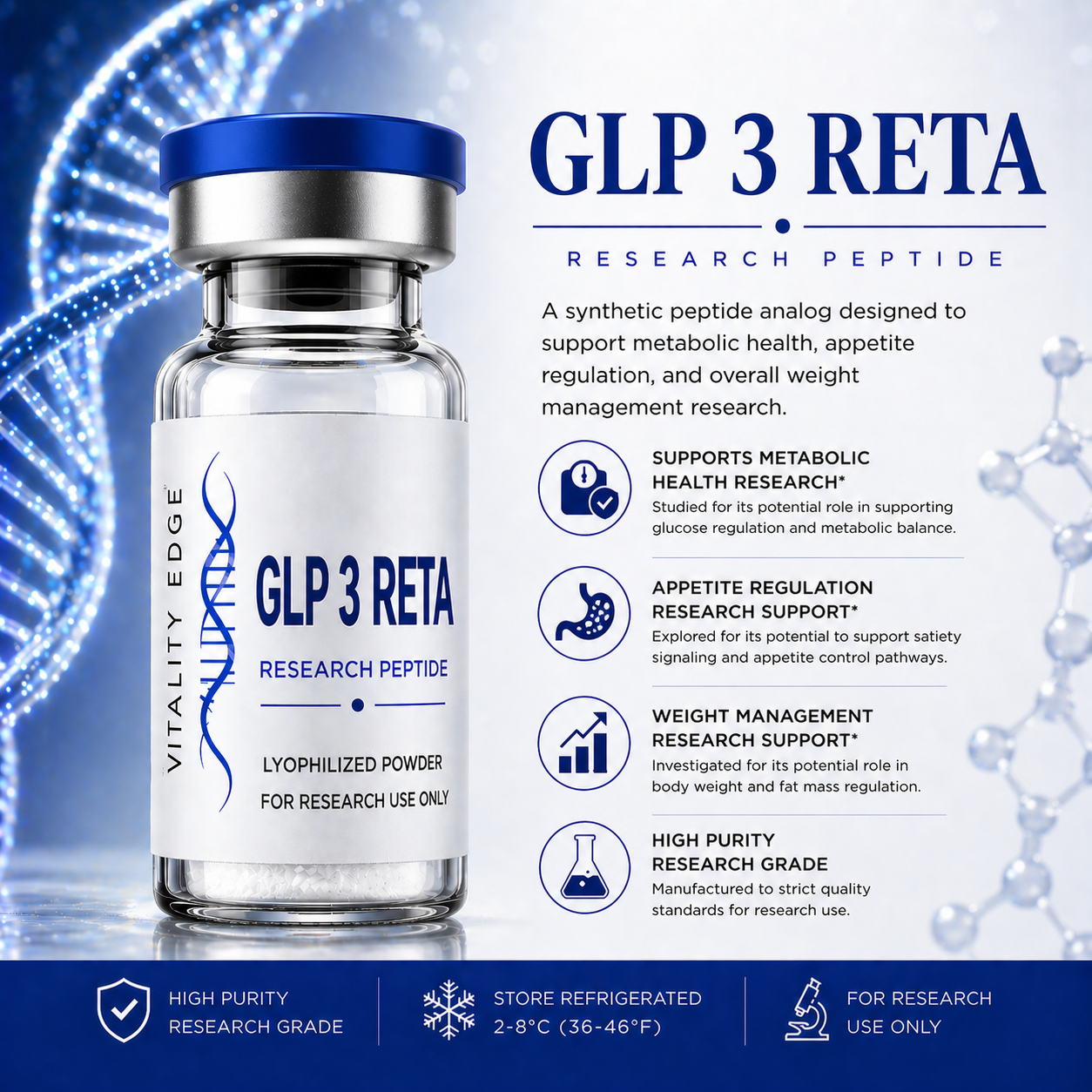
GLPR is a powerful triple agonist peptide that targets GLP-1, GIP (glucose-dependent insulinotropic polypeptide), and glucagon receptors—making it the most comprehensive metabolic peptide in its class. It builds on the progress of earlier compounds like Semaglutide and Tirzepatide by activating three key hormonal pathways involved in appetite regulation, glucose control, and fat metabolism.
This enhanced activity leads to faster, more dramatic fat loss while offering additional therapeutic effects across multiple body systems.
GLPR is a powerful triple agonist peptide that targets GLP-1, GIP (glucose-dependent insulinotropic polypeptide), and glucagon receptors—making it the most comprehensive metabolic peptide in its class. It builds on the progress of earlier compounds like Semaglutide and Tirzepatide by activating three key hormonal pathways involved in appetite regulation, glucose control, and fat metabolism.
This enhanced activity leads to faster, more dramatic fat loss while offering additional therapeutic effects across multiple body systems.
GLPR is a powerful triple agonist peptide that targets GLP-1, GIP (glucose-dependent insulinotropic polypeptide), and glucagon receptors—making it the most comprehensive metabolic peptide in its class. It builds on the progress of earlier compounds like Semaglutide and Tirzepatide by activating three key hormonal pathways involved in appetite regulation, glucose control, and fat metabolism.
This enhanced activity leads to faster, more dramatic fat loss while offering additional therapeutic effects across multiple body systems.
GLP T was originally developed to treat Type-2 diabetes but has since become a leading anti-obesity medication. It is a dual agonist of the GLP-1 and GIP receptors — meaning it activates two distinct hormonal pathways to reduce appetite, improve metabolic rate, and support sustained weight loss.
Unlike its predecessor Semaglutide (which only targets GLP-1), Tirzepatide showed 5–7% more weight loss in clinical trials. Compared to Retatrutide, a triple agonist, Tirzepatide accomplished nearly the same weight loss but over a longer period (72 weeks vs. 48).
GLPR is a powerful triple agonist peptide that targets GLP-1, GIP (glucose-dependent insulinotropic polypeptide), and glucagon receptors—making it the most comprehensive metabolic peptide in its class. It builds on the progress of earlier compounds like Semaglutide and Tirzepatide by activating three key hormonal pathways involved in appetite regulation, glucose control, and fat metabolism.
This enhanced activity leads to faster, more dramatic fat loss while offering additional therapeutic effects across multiple body systems.
GLPR is a powerful triple agonist peptide that targets GLP-1, GIP (glucose-dependent insulinotropic polypeptide), and glucagon receptors—making it the most comprehensive metabolic peptide in its class. It builds on the progress of earlier compounds like Semaglutide and Tirzepatide by activating three key hormonal pathways involved in appetite regulation, glucose control, and fat metabolism.
This enhanced activity leads to faster, more dramatic fat loss while offering additional therapeutic effects across multiple body systems.
No results match your search. Try removing a few filters.